Understand
AI, LLMs, computer science thinking, data, prompts, agents, and how digital products are structured.

Preparing the experience
A nine-day journey where the city becomes the classroom. Students learn how AI and computer science work, build a real digital product through Vibe Coding, connect an AI agent, and publish their work live.
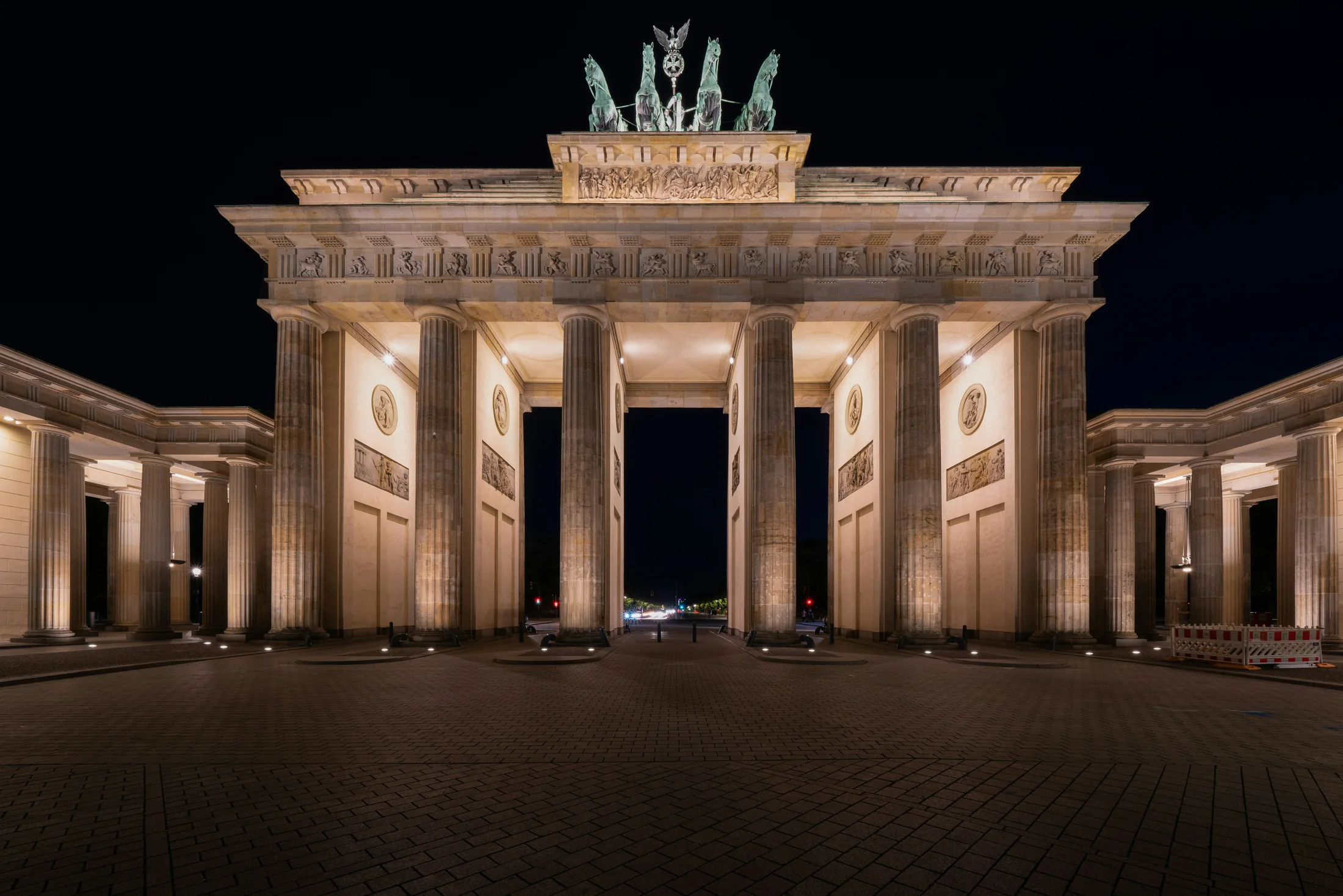
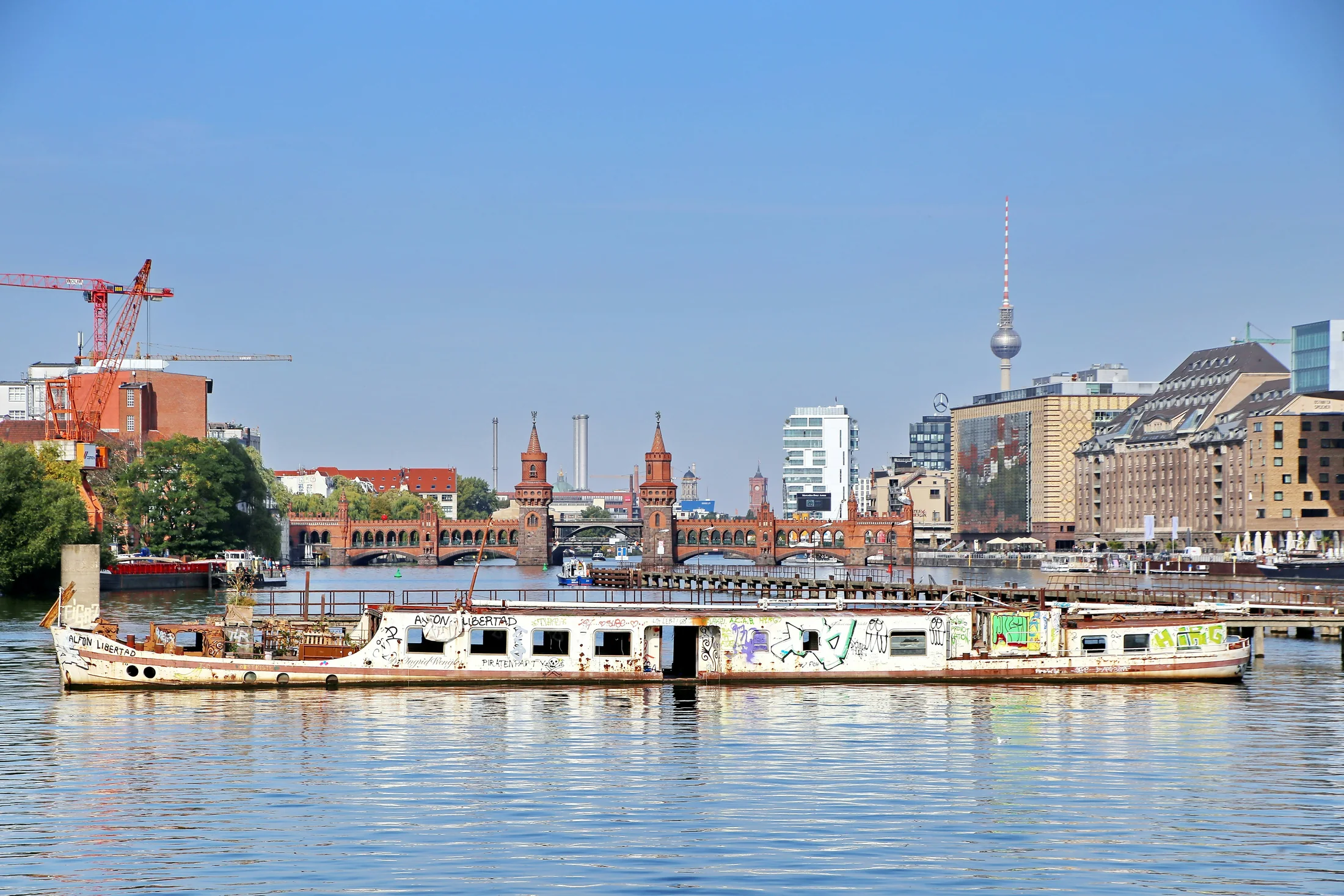
This is not a classroom-only course and not a sightseeing-only trip. Every part of Berlin feeds the learning: technology museums, public spaces, architecture, mobility, culture, and the problems students notice around them.
AI, LLMs, computer science thinking, data, prompts, agents, and how digital products are structured.
A responsive website with HTML, CSS, JavaScript and Bootstrap through guided Vibe Coding.
Berlin, Dresden, Potsdam, museums, islands, public spaces, and hands-on field observations.
Connect an AI workflow, publish to a live subdomain, and present the final product with confidence.
Students do not sit through long lectures or copy code blindly. They learn a professional workflow: define the problem, create a clear brief, prompt with precision, test the result, debug safely, improve the experience, and ship.
Each day combines a clear AI concept, a live demonstration, guided team building, debugging, and a visible deliverable. Four hours per day, with students shipping something meaningful before they leave.
Students understand what AI, LLMs and computer science actually mean, choose a Berlin-connected project idea, create a product brief, and use structured prompts to build the first three-file website version.
Students learn how better prompts create better interfaces. They refine hierarchy, layout, typography, color, responsiveness, accessibility and content using controlled iterations instead of rebuilding everything.
Students add meaningful interactions: filters, forms, calculators, recommendations, saved preferences or dynamic content. They learn how to describe bugs, isolate the cause, ask for a limited fix, and verify the result.
Students explore agent thinking, inputs, prompts, tools, outputs, webhooks and simple memory. Each team creates a focused n8n workflow that supports one useful task inside its product concept.
Teams run a practical quality checklist, fix mobile issues, organize files, upload through cPanel, connect the project to a live subdomain, and prepare a concise final presentation covering the problem, solution, technology and learning.
A deliberate rhythm of learning, exploration and reflection — from Potsdamer Platz to Dresden, Peacock Island, the Technology Museum and Potsdam.
Hotel check-in, an evening walk through Potsdamer Platz, and the first shared moment in Berlin.
Each team turns a Berlin-inspired idea into a working digital experience, adds a focused AI workflow, publishes it to a real subdomain, and presents the story behind it.
A live digital experience built from field observations, prompts, design iterations and an AI workflow.
Target user, real problem, value and a focused scope.
Structured HTML, custom CSS, JavaScript and Bootstrap.
Not decoration — a feature that helps the user do something.
A simple n8n flow with a defined input, task and output.
A public subdomain, final demo and project story.
A student-built guide that turns field observations into personalized city recommendations.
Sample project directionA planning experience that helps international students structure study, travel and daily tasks.
Sample project directionAn interactive product that connects architecture, museums and technology through questions.
Sample project directionAn AI-assisted tool that helps students connect their interests to future technology pathways.
Sample project directionAI can produce generic content about any city. It cannot replace what a student personally notices, questions, photographs, compares and understands. That real evidence is what makes every project different.
The strongest prompt begins before the keyboard — with a real observation.
What is confusing, useful, beautiful, inefficient or surprising?
Capture notes, patterns, signs, interactions and place-based details.
Who experiences this problem and what would make it better?
Turn the observation into content, a feature, a workflow or a product idea.
The camp is designed to make advanced technology understandable, practical and memorable — without requiring students to arrive as programmers.
View the Full Itinerary